Last Updated:
October 31, 2026
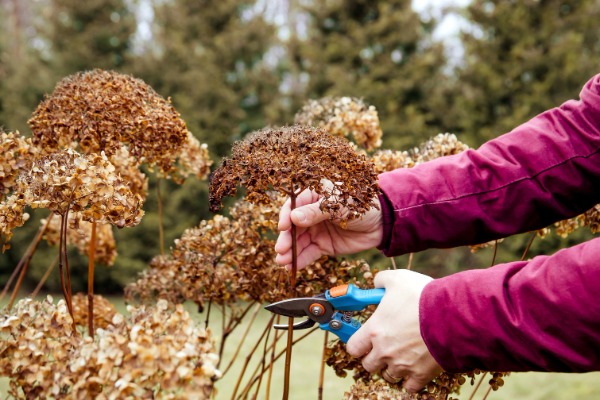
Shrub maintenance doesn't have to wait until leaves return and branches begin filling out. In fact, the dormant season can be a useful time to evaluate the condition of many landscape plants and make thoughtful improvements. With active growth slowed, certain shrubs can be pruned without interrupting the same processes that take place during the growing season.
Dormant pruning offers a chance to remove unwanted growth, correct structural problems, and prepare suitable shrubs for the months ahead. Although the ideal schedule varies by plant, understanding the benefits of dormant pruning can help you make better decisions about your landscape.
Leaves can make it difficult to understand how a shrub is growing. Once they fall, the arrangement of the branches becomes much more visible. You can see where stems are crowded, which branches have grown out of proportion, and whether the plant has developed an uneven shape.
This clearer view makes it easier to decide which branches should stay and which ones need to go. Instead of cutting the entire shrub back to a uniform size, you can make targeted adjustments that support its natural growth habit.
Dormant pruning is particularly useful for:
Not every branch contributes to a shrub's health or appearance. Some become damaged by weather, while others weaken as the plant ages. Leaving these stems in place can make the shrub look untidy and create additional obstacles as new growth develops.
Dormancy provides an opportunity to remove dead, broken, and poorly positioned branches from plants that tolerate winter pruning. Clearing away this growth can improve the shrub's overall structure and leave more room for healthy stems.
For certain shrubs, removing older stems encourages younger shoots to develop from the base. Other plants benefit from light thinning that prevents branches from becoming crowded as they mature. These techniques can help maintain a more balanced form and reduce the need for aggressive trimming later.
The approach should match the shrub's natural growth pattern. Some varieties respond well to periodic rejuvenation, while others need very little pruning beyond occasional cleanup. Cutting everything back heavily can create an unnatural shape or stimulate more growth than the plant can comfortably support.

A shrub with dense, tangled branches can become difficult to maintain. Interior growth may receive limited sunlight, while closely packed stems restrict airflow. These conditions can contribute to moisture lingering within the plant, which may increase the likelihood of certain fungal problems.
Selective thinning helps open up crowded areas without stripping away too much of the shrub. Allowing more space between branches can improve light penetration and help foliage dry after rain once the growing season returns. The goal is to create a healthier arrangement of stems, not a sparse or overly trimmed shrub.
One important consideration when pruning during dormancy is how a shrub produces flowers. Some varieties form their flower buds on older branches during the previous growing season. Cutting those stems in winter can remove much of the upcoming display.
Other flowering shrubs produce blooms on new growth and are generally better candidates for dormant pruning. Understanding this difference is essential before making cuts.
For example:
Spring can bring a long list of outdoor projects, from cleaning planting beds to refreshing mulch and preparing gardens for new growth. Completing appropriate shrub pruning during dormancy gives you one less major task to handle when the weather warms.
It can also make other maintenance easier. Removing unwanted branches clears space around the base of shrubs, improves access to landscape beds, and makes it easier to assess the condition of nearby plants.
For homeowners with several planting beds, spreading pruning work across the dormant season can help prevent the spring cleanup period from becoming overwhelming.
Dormancy is a useful pruning window, but it isn't the right choice for every plant. Poor timing, excessive cutting, and improper techniques can interfere with flowering or leave shrubs struggling to recover.
Some plants should be trimmed immediately after blooming, while others benefit from only occasional removal of damaged branches. Pruning during extremely cold conditions can also expose fresh cuts to additional stress.
Before getting started, consider the following:
Dormant pruning can make a noticeable difference in the condition and appearance of your landscape. Removing damaged branches, thinning crowded growth, and maintaining a balanced structure can help suitable shrubs enter the growing season with fewer problems.
However, each variety has its own pruning requirements. Knowing which branches to remove, how much to cut, and when to complete the work helps prevent unnecessary damage. Professional shrub pruning can take the guesswork out of seasonal maintenance and keep your landscape looking well cared for. Contact us today to request an estimate for shrub pruning in the Kansas City area.
Q: What Does It Mean When a Shrub Is Dormant?
A: Dormancy is a period when a shrub's active growth slows in response to seasonal conditions. Many deciduous shrubs lose their leaves, and their visible development pauses until temperatures and growing conditions become favorable again.
Q: Is Winter a Good Time to Prune Shrubs?
A: Winter can be a suitable time for shrubs that tolerate dormant pruning. Late winter is often preferred because it allows maintenance before spring growth begins, but the best timing depends on the species and weather.
Q: Do All Shrubs Benefit From Dormant Pruning?
A: No. Some shrubs flower on older branches and should generally be pruned after blooming. Others may need little more than occasional removal of dead or damaged growth.
Q: Will Pruning During Dormancy Make Shrubs Grow Faster?
A: Pruning can encourage new shoots in certain varieties, particularly when older stems are selectively removed. However, it does not automatically increase overall growth, and excessive cutting can weaken a shrub.
Q: Should I Fertilize Shrubs After Dormant Pruning?
A: Not necessarily. Fertilization should depend on the plant's condition, soil nutrients, and specific needs. Pruning alone does not mean a shrub requires additional fertilizer.
Q: How Often Should Shrubs Be Pruned?
A: There is no single schedule for every shrub. Some benefit from annual shaping or thinning, while others only need occasional maintenance. Growth rate, flowering habits, and landscape goals all influence pruning frequency.

Touch up your lawn with Heartland Turf & Landscape