Last Updated:
February 14, 2026
Most weed treatments are designed to reduce weed pressure over time rather than eliminate every weed immediately. Seeing weeds after treatment usually means seeds or root fragments still exist in your lawn’s soil, and recurring treatments are necessary for effective weed control. Let’s take a look at how weed control works and what you can do about persistent weeds in your lawn.
Weed control products are often misunderstood. Many homeowners expect a single application to completely wipe out weeds, but lawns are living ecosystems with ongoing weed pressure from seeds, soil conditions, weather, and surrounding areas. Even professional-grade treatments require time, repeat applications, and supportive lawn care practices to be fully effective.
Weeds may also appear healthy for days or even weeks after treatment, depending on the product used. Some herbicides work slowly, attacking the weed internally rather than causing rapid visual damage. Others only target specific growth stages, meaning certain weeds may survive until the next application window.
Common reasons results aren’t immediate include:
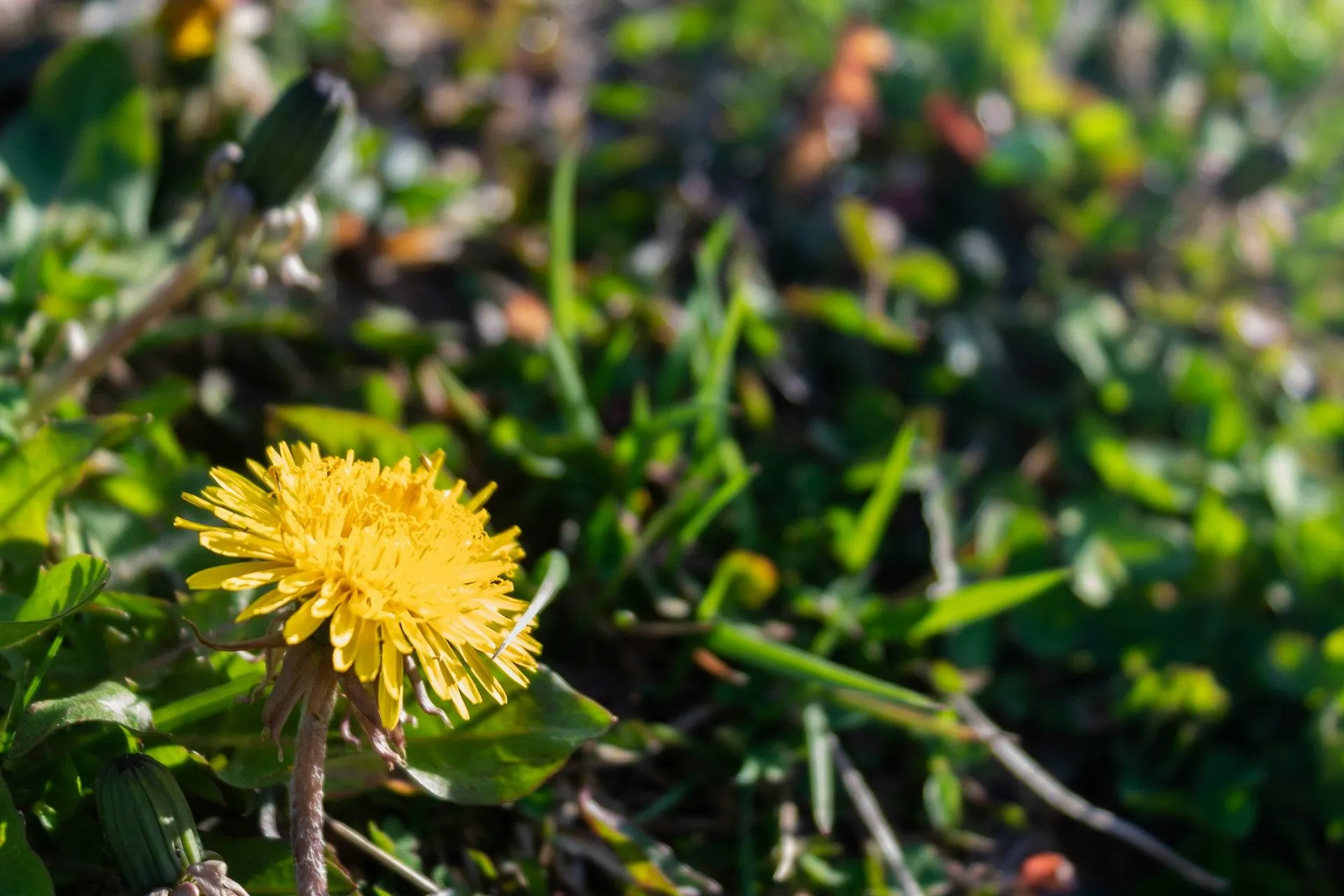
Not all weeds respond the same way to treatment. Broadleaf weeds, grassy weeds, annuals, and perennials all behave differently and require different control strategies. If the treatment applied doesn’t match the weed type, results will be limited.
For example, some products control dandelions and clover effectively but have little impact on crabgrass or sedge. Perennial weeds are especially stubborn because they regrow from established root systems, even if the top growth is damaged.
How weed type affects treatment results:
Timing is one of the most important factors in determining whether a weed treatment will be successful, yet it is also one of the most misunderstood. Weed control products are designed to work during very specific stages of a weed’s life cycle. Pre-emergent treatments must be applied before weed seeds germinate, while post-emergent products rely on weeds being actively growing in order to absorb the herbicide effectively.
If an application is made too early, too late, or during a period when weeds are stressed by heat, drought, or cold, results will often be disappointing. Even when the correct product is used, missing the optimal application window can allow weeds to survive and continue spreading, making it appear as though the treatment failed when timing was actually the issue.
Even when the right product is used at the right time, weather conditions can significantly affect results. Rain shortly after application may wash treatments away before they’re absorbed. Extreme heat or cold can reduce weed metabolism, limiting herbicide uptake.
Soil conditions also matter. Compacted soil, poor drainage, or excessive thatch can prevent treatments from reaching their intended targets effectively.
Environmental factors that impact weed treatment performance include:
Weed treatments must be applied evenly and at the correct rate to work properly. Under-application may weaken weeds without killing them, while over-application can damage turf without improving control. Inconsistent coverage leaves untreated patches where weeds can survive and spread.
DIY applications are especially prone to these issues, particularly when using handheld or hose-end sprayers without proper calibration.
Common application problems include:
Even if existing weeds are successfully controlled, weed seeds can remain dormant in the soil for years. These seeds germinate whenever conditions are favorable, giving the impression that treatments didn’t work, even when they actually did.
This is why long-term weed control focuses on prevention as much as elimination. Reducing seed production and blocking germination are key to lasting results.
Why soil seed banks cause recurring weeds:
The overall health of your lawn plays a major role in how effective weed treatments will be over time. A thin or stressed lawn naturally leaves open space for weeds to take hold, regardless of how many herbicide applications are made. Grass that is cut too short, under-fertilized, or growing in compacted soil struggles to compete for sunlight, water, and nutrients.
In these conditions, weed treatments may successfully kill existing weeds, but new ones often emerge quickly in the same areas because the underlying problem remains. A thick, properly maintained lawn creates natural resistance to weeds by shading the soil surface and limiting opportunities for weed seeds to germinate, which is why long-term weed control always goes hand in hand with other lawn care services.
Weed control is rarely a one-time solution. Most successful programs rely on a combination of pre-emergent and post-emergent treatments applied consistently over multiple seasons. Each application reduces weed pressure, but full control builds gradually.
Skipping treatments or stopping too soon often allows weeds to rebound stronger than before. Be sure to reach out to us here at Heartland to find out more about our weed control programs and how we can keep your lawn weed-free all year long.
Q: Is it normal to still see weeds after treatment?
A: Yes. Many treatments take time to work, and new weeds can emerge from soil seed banks even after existing weeds are controlled.
Q: How long does it take for weeds to die after treatment?
A: Depending on the product and weed type, visible results may take anywhere from a few days to several weeks.
Q: Does rain after treatment mean it didn’t work?
A: Rain shortly after application can reduce effectiveness, especially if the product wasn’t fully absorbed.
Q: Why do weeds come back in the same spots?
A: Recurring weeds often indicate thin turf, compacted soil, or persistent seed banks in those areas.
Q: Should I reapply weed killer if I still see weeds?
A: Not immediately. Reapplying too soon can damage grass. Follow label instructions or a professional schedule.
Q: Will fertilizing help reduce weeds?
A: Yes. Proper fertilization strengthens grass, helping it compete more effectively against weeds.

Touch up your lawn with Heartland Turf & Landscape