Last Updated:
March 27, 2026
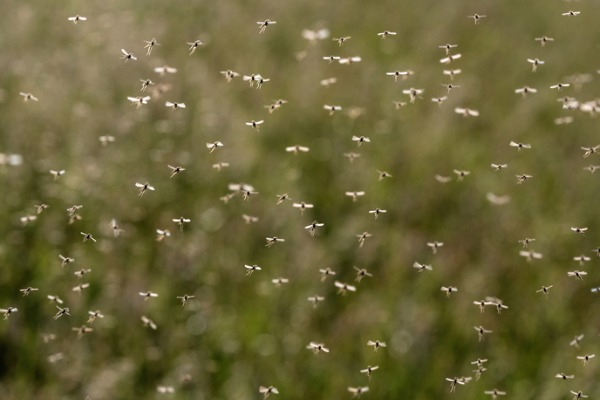
Common mosquito breeding grounds in residential yards include standing water, poorly draining soil, clogged gutters, dense vegetation, and areas where moisture and organic debris are allowed to collect. Mosquitoes don’t need large ponds or swamps to thrive. In fact, many of the worst mosquito problems start with small, overlooked areas around the home that quietly provide ideal conditions for reproduction.
Once mosquitoes establish breeding sites nearby, populations can increase rapidly, making early detection crucial to mosquito control efforts.
Mosquitoes are highly dependent on environmental conditions to survive. Female mosquitoes lay eggs in or near water, where larvae can develop safely before emerging as adults. These locations must remain moist long enough for the life cycle to complete, but they don’t need to be obvious or permanent water sources.
In addition to water, mosquitoes prefer areas with limited airflow, consistent shade, and organic material. Leaves, algae, soil, and grass clippings enrich water sources, providing food for larvae. Adult mosquitoes then rest nearby in sheltered vegetation, staying close to breeding areas so the cycle can repeat.
Preventing mosquitoes means breaking this cycle by removing water sources, reducing shelter, and limiting moisture retention throughout the yard.
Standing water is the most common and productive mosquito breeding ground. Any object or surface that holds water for more than a few days can support mosquito larvae. This includes containers, lawn depressions, irrigation runoff areas, and even temporary puddles after rainstorms.
Many homeowners underestimate how much standing water exists on their property. Low spots in the lawn, compacted soil near walkways, and areas around downspouts often collect water repeatedly, creating consistent breeding opportunities throughout the season.
How to prevent mosquitoes in standing water areas:
Gutters are one of the most overlooked mosquito breeding areas because they’re out of sight and rarely inspected. When debris accumulates, it traps water and creates a shallow, protected environment that mosquitoes can access easily. These elevated breeding sites are especially problematic because they are undisturbed and close to rooflines and entry points.
Downspouts and splash blocks can also create recurring puddles if they aren’t directing water far enough from the home. Over time, these drainage issues contribute to consistent mosquito pressure around the structure.
How to prevent mosquitoes in gutters and drainage areas:
While mosquitoes breed in water, adult mosquitoes spend much of their time resting in shaded, humid areas. Overgrown landscaping provides ideal shelter during the day, allowing mosquitoes to stay cool and protected until they become active in the evening.
Tall grass, thick shrubs, unmanaged groundcover, and overgrown fence lines create low-airflow environments that mosquitoes prefer. These areas often trap moisture and are frequently located near breeding sites, making them prime mosquito habitat.
How to prevent mosquitoes in dense vegetation:
Organic debris plays a significant role in mosquito activity. Piles of leaves, grass clippings, fallen branches, and unused materials can trap moisture underneath, creating cool, damp conditions that mosquitoes use for shelter and breeding.
Even when standing water isn’t visible, moisture can remain in decomposing material long enough to support mosquito larvae. Firewood stacks placed directly on soil, unused planters, and neglected garden beds are especially common contributors.
How to prevent mosquitoes in debris-prone areas:
Poor drainage is a hidden mosquito problem in many yards. Compacted soil prevents water from soaking in properly, causing moisture to linger at or just below the surface. These conditions are ideal for mosquito development, even if water isn’t visible for long periods.
High-traffic areas, clay-heavy soils, and lawns that haven’t been aerated regularly are especially prone to compaction. Overwatering can further worsen the issue by keeping soil consistently saturated.
How to prevent mosquitoes in poorly draining areas:
Identifying mosquito breeding grounds requires paying attention to patterns rather than just reacting to bites. Consistent mosquito activity during daylight hours often signals nearby resting sites, while heavy mosquito presence at dusk suggests active breeding close by.
Inspect your yard after rain or irrigation and note where water lingers the longest. Look for shaded areas that remain damp, especially under vegetation or along structures. Mosquito larvae may appear as small, wiggling organisms near the surface of standing water.
Steps to help identify problem areas:
Q: How quickly can mosquitoes breed in my yard?
A: Mosquitoes can complete their life cycle in as little as one week under warm conditions, allowing populations to increase rapidly.
Q: Do mosquitoes need dirty water to reproduce?
A: No, mosquitoes can breed in clean or dirty water as long as it remains still long enough.
Q: Can mosquitoes breed without visible standing water?
A: Yes, moist soil, organic debris, and damp shaded areas can support mosquito development.
Q: Why are mosquitoes worse in shaded areas?
A: Shade provides cooler temperatures, higher humidity, and protection, making it ideal for resting adult mosquitoes.
Q: Does regular lawn maintenance help with mosquito control?
A: Yes, mowing, trimming, and debris removal significantly reduce mosquito habitat.
Q: Is prevention enough to stop mosquitoes completely?
A: Prevention greatly reduces mosquito populations, but nearby properties and natural areas may still contribute, making ongoing control important.

Touch up your lawn with Heartland Turf & Landscape