Last Updated:
August 31, 2026
Figuring out when to put the mower away for the season is an important part of fall lawn care in Kansas City. The timing isn't determined by a specific date. Instead, it depends on the weather, your grass type, and whether your lawn is still actively growing.
Stopping too early can leave the grass unnecessarily long going into winter, while continuing to mow after growth has nearly stopped provides little benefit. Knowing what to look for can help you make the final cut at the right time and prepare your lawn for the colder months ahead.
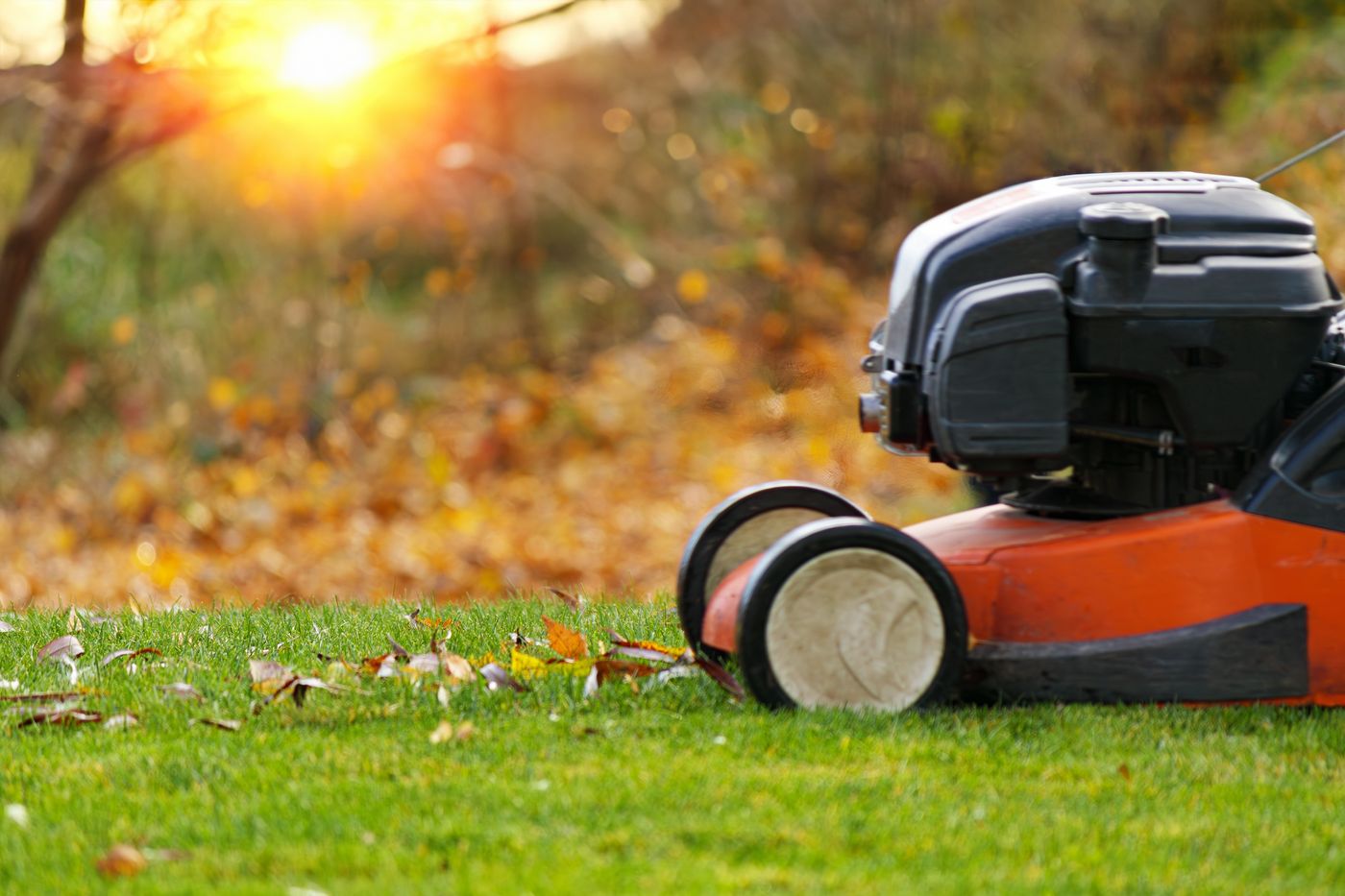
Kansas City experiences a wide range of fall weather, with warm temperatures often lingering into September before cooler conditions arrive. This transition affects how quickly your grass grows and ultimately determines when you'll need your final mowing of the year.
Many Kansas City lawns contain cool-season grasses such as tall fescue, Kentucky bluegrass, and perennial ryegrass. These grasses generally remain active during the cooler portions of fall, so they may require mowing well after summer temperatures have disappeared.
Warm-season grasses have a different growth pattern and typically slow down earlier as temperatures decline. Because of these differences, the best approach is to pay attention to your lawn rather than simply choosing a date on the calendar.
Your lawn will give you several indications that mowing season is coming to an end. As temperatures fall and daylight decreases, grass growth gradually slows. You may notice that you're mowing less frequently and collecting fewer clippings each time.
Look for these signs:
For many Kansas City lawns, the final mowing will take place sometime in late October or early November. However, there can be considerable variation from year to year. A warm fall may keep grass growing longer, while an early cold snap can bring the season to an end sooner.
Rather than mowing one final time simply because the calendar says it's November, check whether your grass is actually still growing. If the lawn continues putting on noticeable growth, another cut may be necessary. Once growth has nearly stopped, you can make your final pass and put the mower away for winter.
Your final mowing height matters because grass that's extremely short or excessively tall can be more vulnerable to winter problems. For many cool-season Kansas City lawns, maintaining a moderate height around 2½ to 3 inches heading into winter is a good general target.
Avoid drastically cutting down tall grass in a single mowing. If your lawn has become overgrown, gradually bring it down over multiple cuts while following the one-third rule.
Avoid these two extremes:
In Kansas City, mowing may slow down just as leaves begin covering the lawn. Your last mowing shouldn't be viewed as the end of fall lawn maintenance. Heavy leaf accumulation should still be addressed even after you've stopped mowing regularly.
A thin layer of leaves can sometimes be mulched into the lawn, but thicker accumulations should be removed. Raking or blowing leaves away helps prevent them from blocking light and air from reaching the turf.
Before winter arrives, make sure your lawn is relatively clear of heavy leaf coverage, especially in areas where leaves collect against landscaping, fences, and other obstacles.
Once you've finished mowing for the year, there are several other tasks worth completing before winter settles in. Fall is an important period for preparing cool-season turf for the following spring.
Taking care of the details now can make spring lawn maintenance easier and give your grass a better chance of coming out of winter healthy. Consider adding these tasks to your seasonal lawn care checklist:
There isn't one exact day when every Kansas City homeowner should stop mowing. The right time depends on when your grass stops actively growing and how the weather develops during the fall.
For most lawns, the final cut will occur around late October or early November. Keep an eye on growth instead of relying exclusively on the calendar, maintain an appropriate mowing height, and stay on top of fallen leaves. With the right preparation, your lawn can enter winter in good condition and be ready to resume growth when spring arrives.
Q: When do most Kansas City homeowners stop mowing?
A: Many lawns receive their final mowing in late October or early November, although the exact timing changes depending on fall temperatures and grass growth.
Q: Should I stop mowing as soon as the weather gets cold?
A: Not necessarily. Cool-season grasses can continue growing during cooler fall weather. Stop mowing once growth has slowed significantly rather than based solely on a particular temperature or date.
Q: What height should I mow my lawn before winter?
A: Many cool-season lawns do well going into winter at approximately 2½ to 3 inches. Your ideal height can vary based on the grass species and lawn conditions.
Q: Should I mow leaves into my lawn during the fall?
A: Small amounts of leaves can often be mulched with a mower, but thick layers should be removed. Excessive leaf coverage can block sunlight and air from reaching the grass.
Q: Can I mow my lawn after the first frost?
A: It's generally better to avoid mowing when grass is frosted or frozen because foot and mower traffic can damage the turf. Wait for the grass to thaw and dry if another cut is genuinely necessary.
Q: What should I do after my final mowing of the year?
A: Remove heavy leaf buildup, address appropriate fall fertilization needs, clean and store your mower, and minimize unnecessary traffic on frozen or dormant grass.

Touch up your lawn with Heartland Turf & Landscape