Last Updated:
February 14, 2026
When mowing the lawn, the most important safety precautions include wearing proper protective gear, inspecting your lawn, using the mower correctly, and paying attention as you mow. Lawn mowing may feel like a routine household task, but it involves fast-moving blades, heavy machinery, hot engines, and flying debris. Without the right precautions, a simple chore can quickly turn into a serious injury.
Lawn mowing accidents are often preventable. Many injuries happen not because someone is reckless, but because mowing feels familiar and harmless. Over time, this familiarity can lead to rushed decisions, skipped steps, or ignored warning signs. Grass may look soft and forgiving, but the equipment used to cut it is anything but.
Proper lawn mowing safety is about slowing down, thinking ahead, and respecting the power of the equipment. Each precaution works together to reduce risk, improve control, and ensure the job is completed without unnecessary danger.
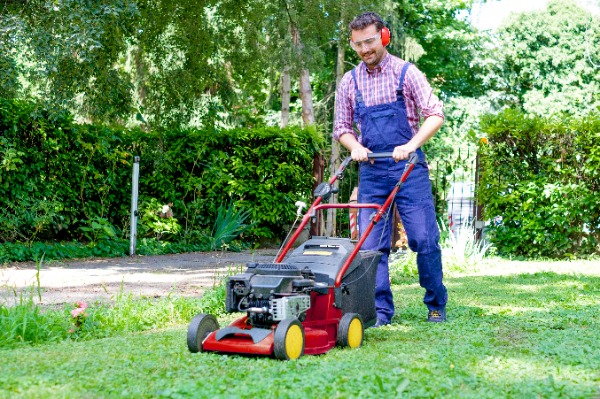
What you wear while mowing plays a major role in how well you’re protected. Improper clothing exposes skin to debris, heat, and moving parts, while loose items can get caught in the mower. Protective gear acts as a barrier between you and potential hazards. Wearing the right gear doesn’t make mowing harder; it makes it safer and more comfortable, especially during longer mowing sessions.
Essential lawn mowing safety gear includes:
A quick inspection of your lawn before mowing can prevent many common accidents. Objects hidden in grass can easily be struck by mower blades and launched at high speeds. Uneven ground can cause sudden loss of control, especially when pushing or riding a mower. Walking the lawn also helps you mentally prepare for problem areas, making mowing smoother and more predictable.
Things to check for before mowing include:
Fuel-related accidents can be extremely dangerous. Gasoline is highly flammable, and refueling mistakes can lead to burns or fires. Electric and battery-powered mowers come with their own risks, especially when cords or batteries are damaged. Respecting the power source of your mower is a critical part of safe operation.
Fuel and power safety precautions include:
Reaching under the mower deck is one of the most dangerous actions a person can take during lawn mowing. Blades can continue spinning even after the engine is shut off, and sudden movement can cause severe injuries in seconds. Any time the mower needs to be cleared or adjusted, it must be fully powered down and handled cautiously.
Critical rules for clearing mower clogs include:
Lawn mowing requires focus. Distractions reduce reaction time and increase the risk of mistakes. Even brief lapses in attention can result in missed obstacles or poor judgment. Staying alert ensures you remain aware of your surroundings and can respond quickly if conditions change.
Ways to stay focused while mowing include:
Some mowing situations carry higher risk than others. Extremely steep slopes, mechanical problems, or physical limitations may make mowing unsafe. Knowing when to stop is a safety measure in itself. Choosing professional lawn care services for challenging areas is often safer and more efficient than attempting risky tasks alone.
Q: What is the most important safety precaution when mowing the lawn?
A: Maintaining awareness and control at all times is the most important safety measure. Proper gear, preparation, and focus all support safe operation.
Q: Should I always wear eye protection when mowing?
A: Yes. Eye protection helps prevent injuries caused by flying debris such as rocks, sticks, and clippings.
Q: Is it safe to mow barefoot or in sandals?
A: No. Open-toed or barefoot mowing greatly increases the risk of cuts, burns, and serious injuries.
Q: Can I mow if the lawn is slightly damp?
A: It’s best to wait until the lawn is completely dry to reduce slipping risks and maintain mower control.
Q: How close can children or pets be while mowing?
A: Children and pets should be kept indoors or well away from the mowing area to avoid contact with the mower or debris.
Q: What should I do if my mower stops working mid-mow?
A: Turn it off completely, disconnect the power source, and inspect it only after all moving parts have stopped.

Touch up your lawn with Heartland Turf & Landscape