Last Updated:
May 22, 2026
Many homeowners assume lawn aeration is a simple weekend project, but even small mistakes during the process can create long-term problems for grass health. Aeration is meant to relieve compacted soil, improve airflow, and help water and nutrients reach the roots more effectively. However, when the process is done incorrectly, lawns often end up even more stressed and are still heavily compacted afterward.
The most common aeration mistakes usually happen because homeowners use the wrong equipment, use improper techniques, choose poor timing, or underestimate how important soil conditions are. Here is our list of the most common lawn aeration mistakes and how you can prevent them!
Timing is one of the biggest factors that determines whether aeration helps or harms a lawn. Many homeowners aerate whenever they have free time instead of choosing the proper season for their grass type. Aerating during extreme summer heat or periods of drought can place major stress on turf that is already struggling to survive. Grass may recover slowly, thin out, or become more vulnerable to weeds and disease afterward.
Cool-season lawns usually respond best to fall aeration because temperatures are milder and roots are actively growing. Warm-season grasses generally recover more effectively when aerated during their peak growing season in late spring or early summer. Choosing the wrong season often reduces the benefits homeowners expect from the service.
How To Avoid This Mistake:
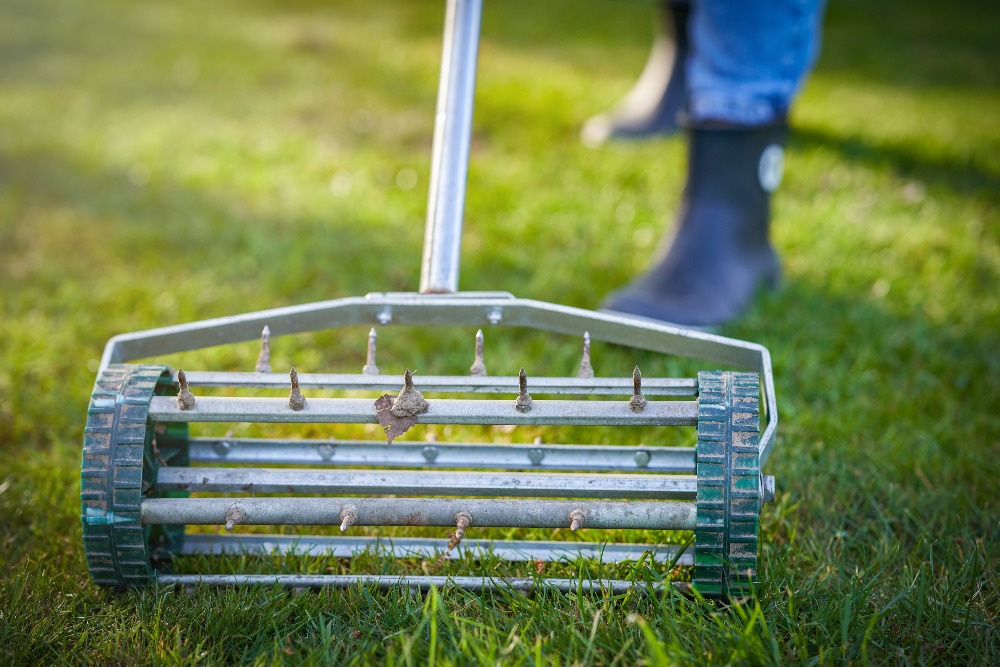
One of the most common misunderstandings about aeration involves the equipment itself. Many homeowners purchase inexpensive spike aerators or shoes that simply poke holes into the soil. While this may look effective on the surface, spike aeration often pushes soil sideways instead of removing it, which can actually increase compaction.
Core aeration works differently because it removes plugs of soil entirely, creating real space for oxygen, water, and nutrients to move through the ground. Without proper core removal, compacted soil layers often remain largely unchanged beneath the surface.
How To Avoid This Mistake:
Some homeowners attempt to aerate during long dry stretches when the ground is extremely hard. Dry soil can prevent aerators from penetrating deeply enough to remove effective cores. Instead of relieving compaction, the machine may barely scratch the surface while leaving the underlying soil untouched.
Hard soil also increases wear on equipment and often causes inconsistent hole depth throughout the yard. Many homeowners believe they aerated successfully, only to discover later that the lawn still drains poorly and feels compacted underfoot.
How To Avoid This Mistake:
A single quick pass with an aerator rarely provides enough coverage for heavily compacted lawns. Many homeowners move too quickly across the yard, leaving large areas untreated or creating inconsistent spacing between holes. Compaction problems often remain in the soil because the lawn never received enough core removal to loosen the ground properly.
Lawns with clay-heavy soil or frequent foot traffic usually require extra attention. Overlapping passes help ensure more consistent aeration and better overall results across the entire yard.
How To Avoid This Mistake:
Aerators are heavy machines capable of causing serious damage if the lawn is not inspected beforehand. Homeowners often forget to mark sprinkler heads, shallow utility lines, invisible dog fences, or landscaping edges before starting. Hitting these obstacles can damage irrigation systems, tear up turf, or create expensive repair costs.
Tree roots and shallow buried cables can also become damaged if homeowners are unfamiliar with what lies beneath the surface. Proper preparation is one of the most overlooked parts of successful aeration.
How To Avoid This Mistake:
Aeration creates ideal seed-to-soil contact, which makes it one of the best opportunities to overseed a lawn. Many homeowners skip this step entirely, missing the chance to fill thin areas and improve overall turf density. Without overseeding, the lawn may remain patchy even after compaction improves.
Adding new seed immediately after aeration helps strengthen the lawn while reducing space available for weeds to invade. This combination is especially beneficial for lawns struggling with thinning grass or bare spots.
How To Avoid This Mistake:
While aeration provides major benefits, overdoing it can create unnecessary stress for the lawn. Some homeowners aerate multiple times per year even when the soil doesn’t truly need it. Excessive aeration can disrupt healthy root systems, dry out turf, and increase weed opportunities.
Most lawns only need annual aeration, though heavily compacted or high-traffic lawns may occasionally require additional attention. Proper soil evaluation matters far more than simply aerating as often as possible.
How To Avoid This Mistake:
Many of the mistakes homeowners make during aeration come down to timing, equipment limitations, or improper technique. Professional lawn care companies understand how soil type, grass variety, and seasonal weather all influence aeration success. They also use commercial-grade equipment capable of removing deeper, more consistent cores across the lawn.
When aeration is performed correctly, homeowners typically see healthier root growth, stronger drought resistance, improved water absorption, and thicker grass overall. Avoiding these common mistakes helps ensure the process actually improves the lawn instead of creating additional problems.
Q: How do I know if my lawn actually needs aeration?
A: Lawns with compacted soil, standing water, thinning grass, or excessive foot traffic often benefit from aeration.
Q: Is fall always the best time to aerate?
A: Fall is ideal for most cool-season grasses, while warm-season lawns typically respond better to aeration during late spring or early summer.
Q: Can aeration damage sprinkler systems?
A: Yes. Sprinkler heads and shallow irrigation lines can be damaged if they are not marked before aeration begins.
Q: How deep should aeration holes be?
A: Most effective core aeration holes are approximately two to four inches deep, depending on soil conditions.
Q: Should I pick up the soil plugs after aeration?
A: In most cases, no. The plugs naturally break down and return nutrients back into the soil over time.
Q: Does aeration help with lawn drainage?
A: Yes. Proper aeration improves soil permeability, allowing water to soak into the ground more effectively instead of pooling on the surface.

Touch up your lawn with Heartland Turf & Landscape