Last Updated:
February 14, 2026
The best time of year to install mulch in Kansas City is spring, with late fall serving as a distant second. Spring mulching aligns most effectively with plant growth cycles, soil temperature changes, and weed pressure in the region. Mulching at the right time allows mulch to work with Kansas City’s climate rather than against it, while mulching at less-ideal times can reduce its benefits or even create new problems for your landscape.
Spring stands out as the most effective and reliable season for mulching because it supports landscapes during their most active growth period. As Kansas City transitions from winter dormancy into warmer weather, mulch plays a critical role in stabilizing soil conditions before summer stress arrives.
One of spring’s biggest advantages is soil temperature regulation. Early spring mulch helps soil warm gradually instead of fluctuating wildly between cold nights and warm days. This steady warming encourages healthy root development without shocking plants that are just coming out of dormancy.
Spring mulch also maximizes moisture management. Kansas City often receives ample spring rainfall, and mulch helps the soil absorb and retain that moisture instead of allowing it to evaporate or run off. Key reasons spring mulching works best include:
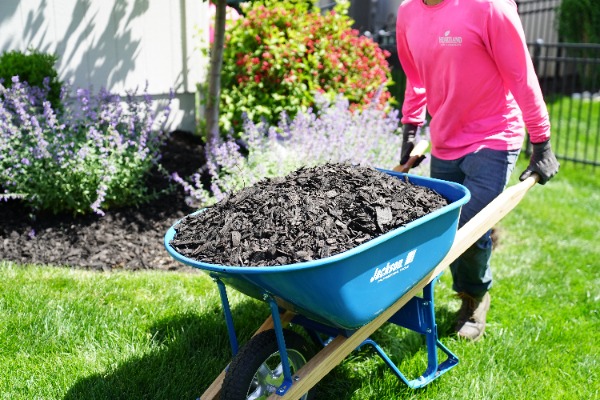
Applying it at the right time allows it to work as intended, improving soil structure, reducing weeds, and protecting plants when they need it most. In Kansas City’s variable climate, timing determines whether mulch enhances plant health or simply sits on the surface offering minimal value.
Spring mulching supports active growth, fall mulching protects dormant plants, and off-season mulching should be approached cautiously. Understanding these differences helps homeowners avoid wasted effort and maximize the benefits of every application.
Late fall mulching can be beneficial in Kansas City, but it serves a very different purpose than spring mulching. Rather than supporting growth, fall mulch focuses on protection and soil preservation heading into winter.
Fall mulch acts as insulation. Kansas City winters are known for frequent freeze-thaw cycles, which can push plant roots out of the soil and cause long-term damage. Mulch helps buffer soil temperatures and reduce this movement, especially for perennials, shrubs, and newly planted trees.
However, fall mulching has limitations that keep it from being the best overall choice. Plants are no longer actively growing, so mulch doesn’t contribute much to visible improvement or weed prevention. Applying mulch too early in fall can trap excess moisture in warm soil, creating conditions that attract pests or promote disease. Fall mulching is best suited for:
Summer mulching is often done out of necessity rather than strategy. By the time summer arrives in Kansas City, soil temperatures are already high, plants are under heat stress, and weeds may already be established.
Applying mulch during summer can still help reduce moisture loss and shield soil from extreme heat, but it comes with notable drawbacks. Thick mulch applied during hot, humid conditions can trap excess moisture, limit airflow, and increase the risk of root issues if not installed carefully.
Summer mulch works best as a corrective measure, such as refreshing thin or bare areas, rather than a full landscape application. Common summer mulching challenges include:
Winter is generally the worst time of year to install mulch in Kansas City for routine landscape care. Frozen or partially frozen ground makes proper installation difficult, and mulch applied too early can shift, compact, or wash away before it provides any real benefit.
In most cases, winter mulch doesn’t actively improve plant health or soil conditions. Instead, it’s used selectively to protect sensitive plants once the ground has frozen solid. For the average landscape, waiting until spring delivers far better results. Winter mulching is usually limited to:
Q: When should I apply spring mulch in Kansas City?
A: Spring mulch is best applied after the soil begins to warm but before weeds start growing aggressively, typically mid- to late spring.
Q: Is it okay to mulch twice a year?
A: Yes. Many homeowners apply mulch in spring for growth support and lightly refresh it in fall for winter protection.
Q: Can mulching too early in spring cause problems?
A: Yes. Mulching too early can keep soil cold, slowing plant growth and delaying root activity.
Q: How thick should mulch be in Kansas City landscapes?
A: A depth of two to three inches is ideal for most beds. Thicker layers can restrict airflow and moisture movement.
Q: Does mulch need to be removed before adding new mulch?
A: Not usually. As long as the existing mulch hasn’t compacted excessively, a light top-off is often sufficient.
Q: What happens if mulch is applied at the wrong time of year?
A: Incorrect timing can reduce weed control, trap excess moisture, slow plant growth, or limit the overall effectiveness of the mulch.

Touch up your lawn with Heartland Turf & Landscape