Last Updated:
April 25, 2026
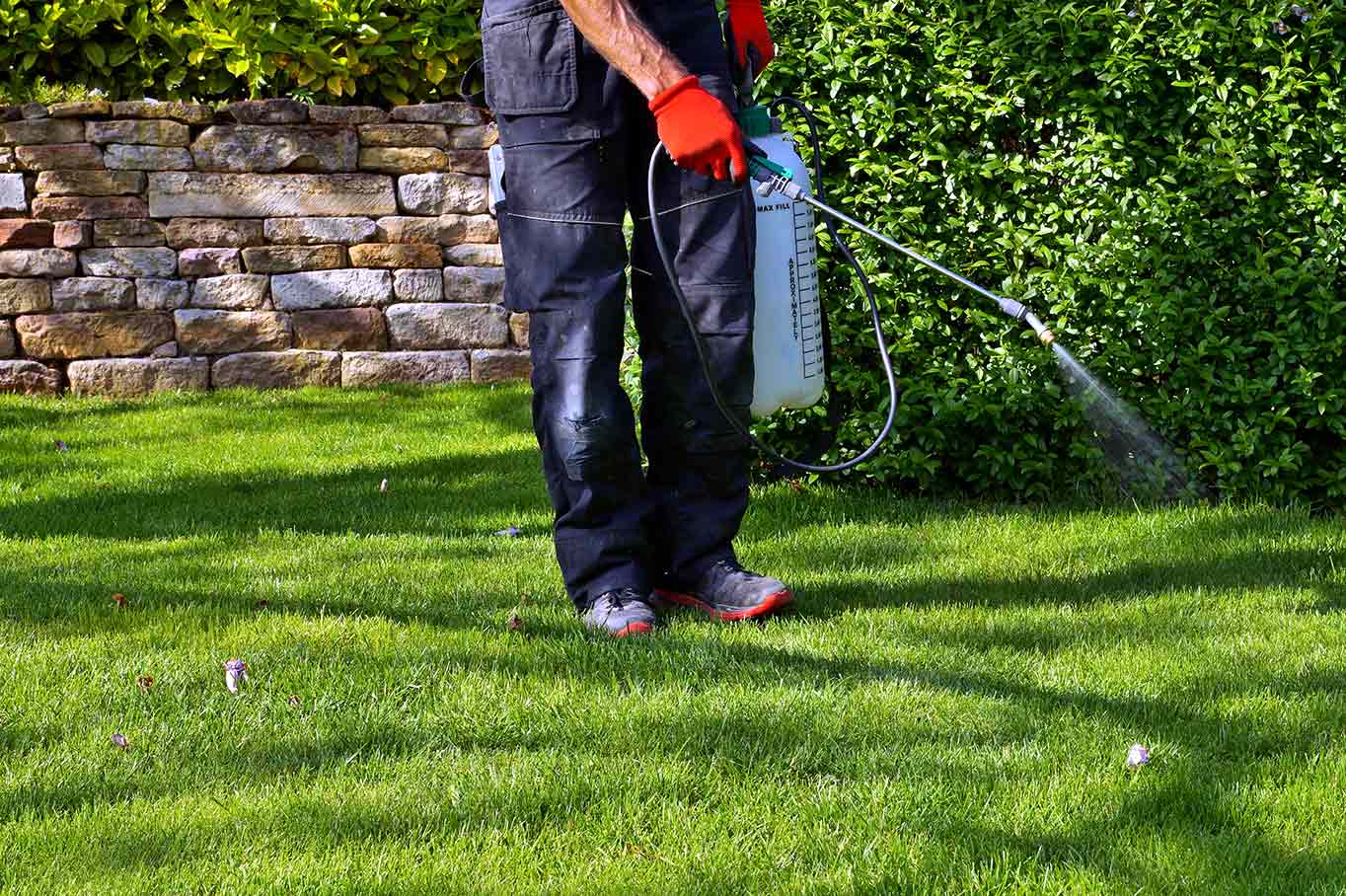
For most lawns, early-season weed control applications deliver the most consistent results, with follow-up treatments later in the year providing additional support when needed. Weed control works best when it aligns with weed life cycles, soil conditions, and turf growth patterns.
When applied at the right time, it prevents unwanted plants from ever taking hold. When mistimed, however, weed control often becomes less effective and may require repeat applications to correct the issue. Keep reading to learn more!
Applying weed control early in the growing season offers the greatest advantage because it targets weeds before they emerge or while they are still young and vulnerable. At this stage, weeds have not yet developed deep roots or established themselves within the lawn, making them much easier to control.
One of the biggest benefits of early applications is prevention. Pre-emergent treatments form a barrier in the soil that stops weed seeds from sprouting in the first place. This proactive approach reduces the number of weeds that ever appear, which means less stress on your lawn throughout the rest of the year.
Early weed control also supports healthier turf by limiting competition. Grass has better access to nutrients, water, and sunlight when weeds are kept in check from the start. Key reasons early applications are so effective include:
Different types of weeds emerge and grow at different times, and missing those windows can significantly reduce effectiveness. Early applications focus on prevention, while later treatments are typically used to manage weeds that have already appeared.
Applying weed control too late often means you’re reacting rather than preventing, which can lead to more visible weeds and a greater need for ongoing maintenance. Understanding these timing windows helps ensure treatments are working with natural growth cycles instead of against them.
Although early treatments are the most impactful, applying weed control later in the year can still play an important role. Late season applications are typically used to target actively growing weeds and prevent certain types from returning the following year.
During this time, many weeds are storing energy in their roots, which makes them more responsive to treatment. Targeting them at this stage can weaken or eliminate them more effectively than during periods of rapid top growth. Late season weed control is especially useful for:
Applying weed control during the hottest part of the year is often less effective and can sometimes stress the lawn. By mid-summer, many weeds are already well established, making them harder to control with standard treatments.
Additionally, high temperatures can reduce the effectiveness of certain products and increase the risk of turf damage if applications are not carefully managed. While spot treatments may still be helpful, large-scale applications are typically less reliable during this time. Common challenges with mid-summer weed control include:
Applying weed control when grass and weeds are dormant generally produces limited results. During these periods, weeds are not actively growing, which means they are less likely to absorb treatments effectively.
Without active growth, weed control products have little impact, making applications during this time inefficient for most lawns. Instead, this period is better used for planning and preparing for the next growing season. Waiting for active growth ensures that treatments can work as intended.
Q: When should I apply pre-emergent weed control?
A: Pre-emergent treatments should be applied before weed seeds begin to germinate, typically early in the growing season.
Q: Is it necessary to apply weed control more than once per year?
A: In many cases, yes. A combination of early prevention and later follow-up treatments provides the best overall results.
Q: Can applying weed control too early cause problems?
A: Yes. If applied too early, the treatment may break down before weeds begin to germinate, reducing its effectiveness.
Q: Should weed control be applied to a wet or dry lawn?
A: It depends on the product, but many treatments work best when applied to a dry lawn with no immediate rainfall expected.
Q: What happens if I apply weed control at the wrong time?
A: Poor timing can lead to reduced effectiveness, more visible weeds, and the need for additional treatments.
Q: Can weed control harm my grass if applied incorrectly?
A: Yes. Improper timing or application can stress or damage turf, especially during extreme weather conditions.

Touch up your lawn with Heartland Turf & Landscape