Last Updated:
June 29, 2026
Mowing wet grass isn't guaranteed to ruin your lawn, but it often creates more problems than it's worth. Damp conditions affect everything from the quality of the cut to the health of your turf, and even your mower can suffer as a result.
Whenever possible, it's best to wait until the grass blades and the soil have had time to dry before mowing your lawn. A dry lawn allows your mower to cut cleanly, helps prevent disease, reduces stress on the grass, and leaves behind a much more attractive finish. Patience for a few extra hours can make a noticeable difference in both the appearance and long-term condition of your turf.
Water adds weight to every blade of grass, causing it to bend over instead of standing upright. Rather than producing a crisp, even cut, your mower may miss sections of the lawn or tear through the grass unevenly. Torn blades lose moisture more quickly and are slower to recover, leaving your yard looking rough around the edges.
Moisture also affects the ground beneath the grass. Wet soil is softer and less stable, making it easier for mower wheels to leave ruts or compact the soil. Since healthy roots depend on loose, oxygen-rich soil, repeated mowing under soggy conditions can gradually reduce the lawn's vigor.
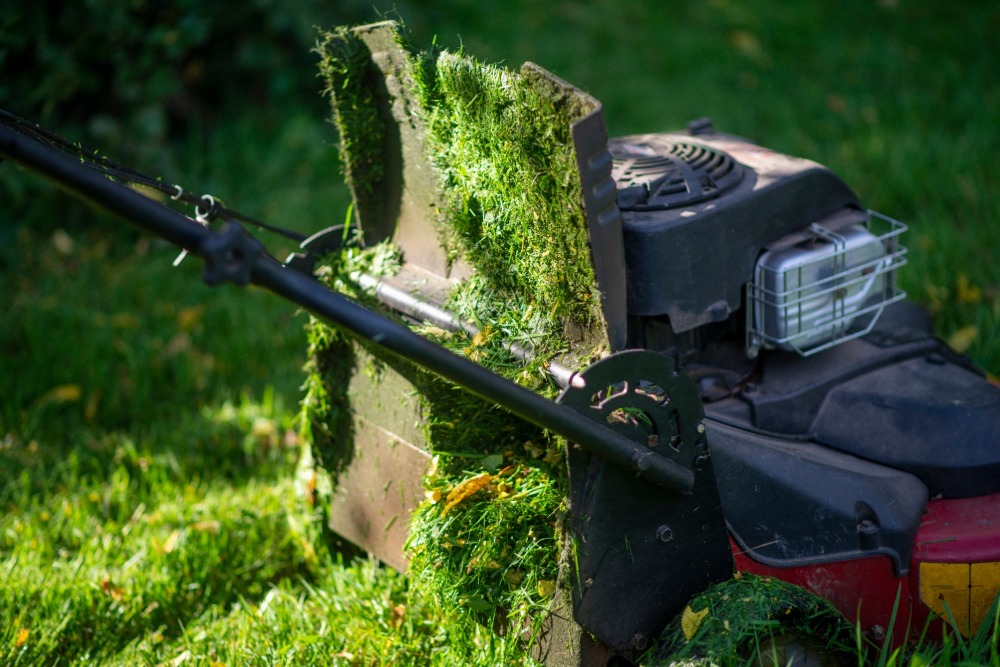
Waiting for your lawn to dry is about avoiding several common issues that can develop during and after mowing. Many of these problems become more noticeable over time if wet mowing becomes a regular habit.
Some of the most common drawbacks include:
Sometimes weather doesn't cooperate. During long stretches of rainy weather, the grass may continue growing faster than the lawn has a chance to dry. In these situations, homeowners may have little choice but to mow slightly damp grass before it becomes excessively tall.
If mowing cannot be postponed, try to minimize the impact. Raise the mower deck slightly, mow at a slower pace, and make sure the mower blade is razor sharp. Empty the collection bag more frequently if you're bagging clippings, and clean the underside of the mower deck once you're finished. These adjustments won't eliminate every issue, but they can help reduce damage until drier conditions return.
Allowing the lawn to dry before mowing gives both the grass and the mower the best chance for success. Dry grass stands upright, making it easier for the mower blade to cut each blade evenly. The result is a smoother-looking lawn with cleaner stripes and fewer visible imperfections.
Dry mowing also reduces cleanup. Grass clippings spread more evenly instead of forming piles that smother healthy turf. Your mower operates more efficiently, airflow beneath the deck improves, and there's less buildup that requires scraping away afterward.
Benefits of mowing dry grass include:
Not all wet lawns are equally wet. A lawn soaked from an overnight thunderstorm is much different than one carrying a light coating of morning dew. Even high humidity can keep grass damp longer than expected.
After heavy rainfall, it's usually wise to wait until both the grass and the soil have dried. If the only moisture present is light dew, waiting until late morning often provides enough drying time. During humid weather, lawns may stay damp well into the afternoon, so checking the grass before mowing is always a smart habit instead of relying on the clock alone.
The type of grass growing in your yard can influence how well it tolerates mowing after rain. Cool-season grasses like tall fescue, Kentucky bluegrass, and perennial ryegrass are generally more susceptible to disease when moisture lingers on damaged leaf blades. Tearing these grasses during wet mowing can increase stress, particularly during warm, humid weather.
Warm-season grasses such as Bermudagrass, Zoysiagrass, and St. Augustinegrass tend to recover more aggressively from mowing, but they aren't immune to the effects of saturated conditions. Wet soil can still become compacted, and clippings can still accumulate regardless of the grass variety. Waiting for dry conditions remains the safest practice no matter what type of turf you maintain.
Healthy lawns are built through consistent maintenance, and mowing at the right time is one of the simplest ways to improve your results. Choosing to wait until the grass has dried helps preserve the sharpness of the cut, reduces unnecessary stress on the turf, and minimizes opportunities for disease and soil damage.
Combined with proper mowing height, regular watering, and seasonal fertilization, mowing only when conditions are favorable can help create thicker, greener grass throughout the growing season. While skipping a mowing session because the lawn is wet may require a little patience, it often pays off with a healthier lawn over the long run.
Q: Can mowing wet grass hurt my mower?
A: Yes. Wet clippings frequently stick inside the mower deck, clog discharge chutes, and force the engine to work harder than normal. Moisture can also contribute to rust if the mower isn't cleaned afterward.
Q: How long should I wait after it rains before mowing?
A: It depends on the amount of rainfall, temperature, sunlight, and humidity. In many cases, waiting until the grass blades and soil surface are dry provides the best mowing conditions.
Q: Is morning dew enough to delay mowing?
A: Usually, yes. Even a thin layer of dew can cause clumping and uneven cutting. Waiting until the dew evaporates generally leads to cleaner results.
Q: Will wet grass dull mower blades faster?
A: Wet grass itself doesn't necessarily dull blades faster, but mowing through muddy conditions or debris washed onto the lawn can accelerate blade wear.
Q: Should I bag clippings if I have to mow damp grass?
A: Bagging often helps reduce clumps when mowing slightly damp grass, although you'll likely need to empty the bag more frequently than usual.
Q: What is the biggest reason professionals avoid mowing wet lawns?
A: The combination of uneven cuts, potential lawn damage, messy clippings, and increased disease risk makes waiting for dry conditions the better choice whenever possible.

Touch up your lawn with Heartland Turf & Landscape