Last Updated:
July 30, 2026
Shrubs need more than occasional attention to stay healthy. While many homeowners only trim shrubs when they start looking overgrown, regular pruning plays an important role in maintaining plant health, encouraging new growth, and preserving the overall appearance of your property.
In the Kansas City area, the ideal trimming schedule depends on the type of shrub, how quickly it grows, and whether it flowers on old or new wood. Rather than following the same schedule for every plant, it's important to understand the needs of each variety in your landscape.

Evergreens such as boxwood, holly, arborvitae, and yew provide year-round structure and privacy for many Kansas City landscapes. Although they don't require constant maintenance, they benefit from periodic shaping to keep them full and uniform.
Most evergreen shrubs only need trimming once or twice each year, typically in late spring after new growth begins to mature. A light touch is usually all that's necessary, as aggressive pruning into older wood can leave bare spots that recover slowly. Regular trimming helps evergreen shrubs:
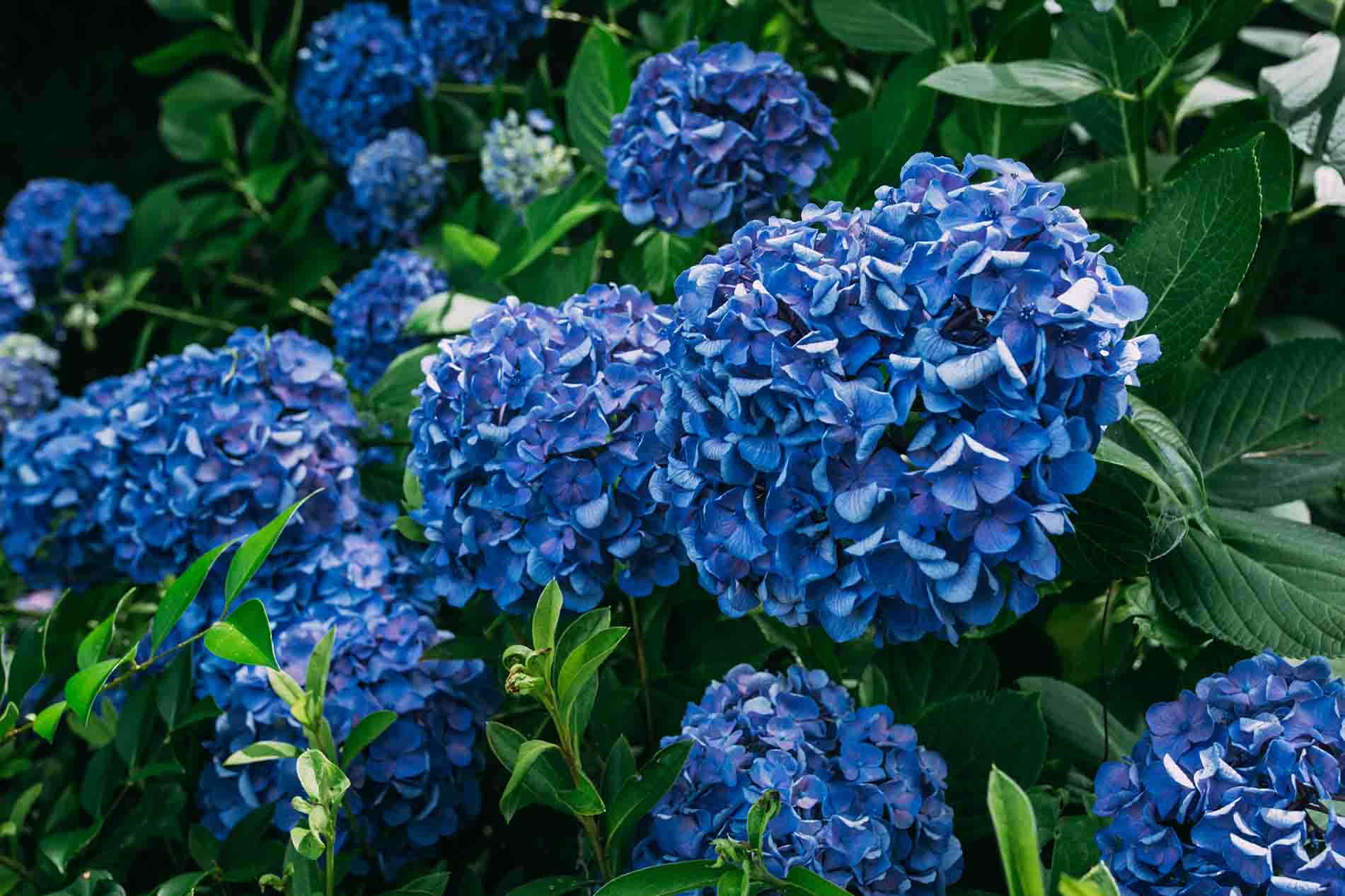
Flowering shrubs require a little more planning because trimming at the wrong time can reduce or eliminate the following season's blooms. Shrubs that bloom in early spring, such as lilacs and forsythia, should generally be pruned shortly after flowering finishes.
Summer-blooming shrubs like panicle hydrangeas and Rose of Sharon are often pruned during late winter or very early spring before new growth begins. Proper timing allows flowering shrubs to:

Privacy hedges made from plants like privet, viburnum, or certain arborvitae varieties often grow much faster than ornamental shrubs. Without routine maintenance, they can quickly lose their clean appearance and begin crowding sidewalks, driveways, and neighboring plants.
Many fast-growing hedges benefit from two to four light trimmings each growing season rather than one heavy pruning. Frequent shaping helps maintain a dense screen while reducing the amount of material removed during each visit. Routine trimming helps privacy shrubs:
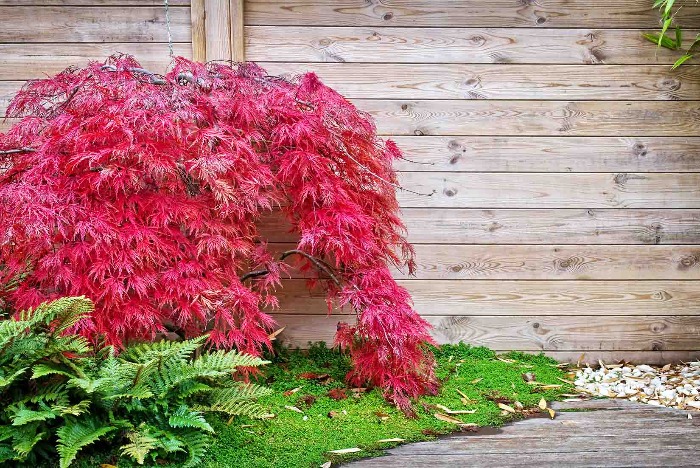
Some landscape plants naturally grow at a slower pace and require very little annual maintenance. Japanese maple shrubs, dwarf conifers, and compact ornamental varieties often need only occasional pruning to remove dead, damaged, or crossing branches.
For these shrubs, one careful inspection and light trimming each year is usually enough to preserve their natural beauty without encouraging unnecessary growth. Light annual pruning helps ornamental shrubs:
Timing matters just as much as technique. In Kansas City, heavy pruning during late fall is generally discouraged because it can encourage tender new growth that may be damaged by freezing winter temperatures. Likewise, trimming spring-flowering shrubs before they bloom often removes the flower buds that formed the previous year.
For many shrubs, the safest approach is to schedule pruning during late winter, early spring, or immediately after flowering, depending on the species. Avoiding extreme heat and prolonged drought also helps plants recover more quickly after trimming.
Regular maintenance is far easier on shrubs than waiting until they've become severely overgrown. Small, routine cuts encourage steady growth while preserving each plant's natural shape. They also reduce stress, improve airflow, and minimize the need for drastic pruning that can leave shrubs looking sparse for months.
Whether your landscape includes foundation plantings, flowering shrubs, or privacy hedges, keeping them on a consistent trimming schedule helps create a healthier landscape that's easier to maintain throughout the year.
Q: How often should most shrubs be trimmed?
A: Most shrubs benefit from trimming once or twice a year, although fast-growing hedges may require several light trimmings during the growing season.
Q: When is the best time to trim shrubs in Kansas City?
A: It depends on the variety. Many shrubs are pruned in late winter or early spring, while spring-flowering shrubs should usually be trimmed shortly after they finish blooming.
Q: Can trimming shrubs improve their health?
A: Yes. Proper pruning removes dead or damaged branches, improves air circulation, and encourages healthy new growth throughout the plant.
Q: Is it okay to trim shrubs during the summer?
A: Light shaping is generally fine, but avoid heavy pruning during periods of extreme heat or drought, as it can increase stress on the plant.
Q: What happens if shrubs become too large?
A: Overgrown shrubs may lose their shape, block sunlight, crowd nearby plants, and eventually require significant pruning to restore their appearance.
Q: Should I trim shrubs myself or hire a professional?
A: Small touch-ups are manageable for many homeowners, but professional trimming is often the best choice for large hedges, mature shrubs, or flowering varieties that require proper timing and pruning techniques.

Touch up your lawn with Heartland Turf & Landscape