Last Updated:
September 30, 2026
Mosquito problems rarely disappear after a single treatment. For many properties, mosquito treatments are most effective when applied on a recurring schedule throughout the active mosquito season. A one-time application may provide temporary relief, but regular mosquito control treatments help maintain protection as new mosquitoes emerge and existing populations rebound.
The ideal treatment frequency depends on your local climate, mosquito activity, rainfall, property conditions, and how much time you spend outdoors. Keep reading to learn more and stay safe against mosquito bites!
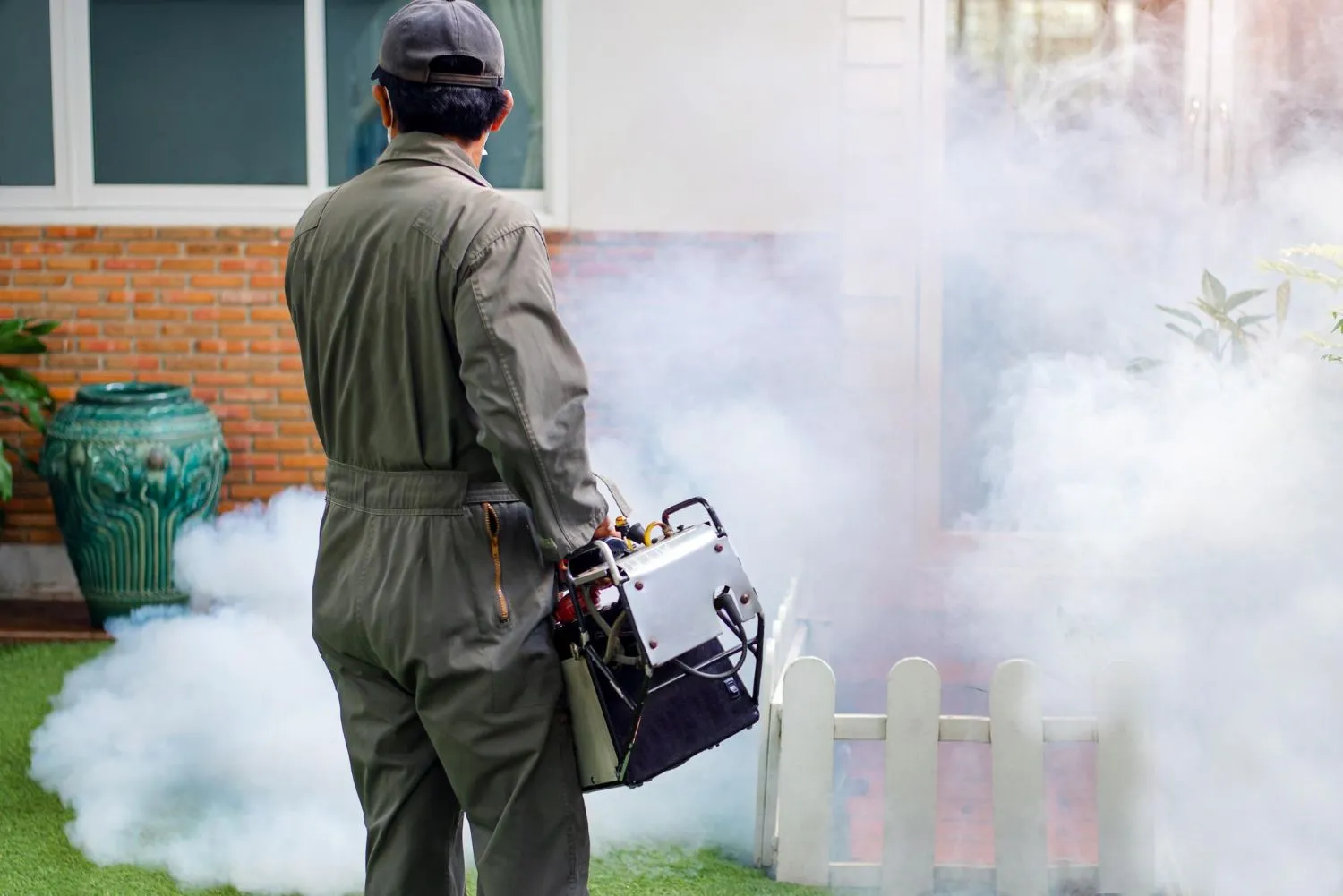
Mosquito populations can become active surprisingly early once temperatures begin rising. Waiting until mosquitoes are already overwhelming your yard can make outdoor spaces much less comfortable.
Starting treatments near the beginning of mosquito season can reduce the number of adult mosquitoes around common resting areas before populations reach their seasonal peak. Treating shaded vegetation, lawn edges, shrubs, and other areas where mosquitoes tend to rest can help establish an initial layer of control. Early-season mosquito service may focus on:
A single mosquito application does not provide permanent control. New mosquitoes can continue emerging from breeding sites, while others can enter your property from nearby areas.
For this reason, recurring mosquito treatments are often scheduled every few weeks during the height of mosquito season. The exact interval can vary based on the treatment being used, weather conditions, mosquito pressure, and the characteristics of the property.
Consistent applications help address mosquito populations before they become a major nuisance. Rather than waiting until mosquitoes are everywhere, scheduled treatments provide ongoing management throughout the part of the year when these pests are most active.
Weather plays a major role in determining how quickly mosquito populations can return. Warm temperatures combined with frequent rainfall can create favorable conditions for mosquito development.
Rain can leave behind small amounts of standing water in containers, low areas, gutters, plant saucers, and other locations. Even relatively small water sources can provide opportunities for mosquitoes to reproduce. Properties may require closer attention when there has been:
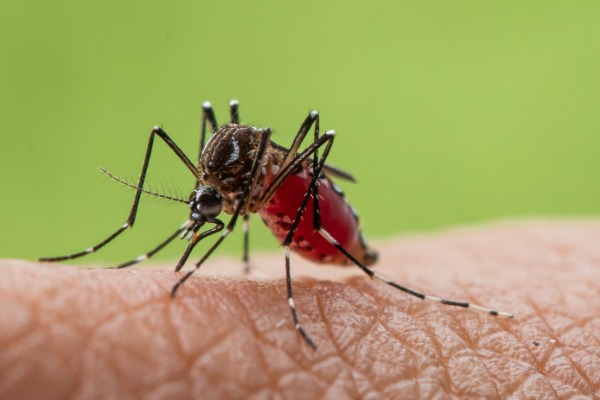
The calendar isn't the only way to determine when another application may be necessary. Increased mosquito activity around your property can be a good indication that it's time to have your existing treatment reapplied.
Pay attention to changes in mosquito activity rather than waiting until the problem becomes severe. Common Signs Include:
Not every property experiences mosquito problems at the same rate. A yard surrounded by mature trees, dense vegetation, shaded areas, or drainage issues may provide more favorable conditions for mosquitoes than an open, sunny property.
Nearby wetlands, ponds, drainage areas, and other sources of standing water can also contribute to mosquito activity even when the immediate yard is well maintained.
Keeping vegetation managed and eliminating unnecessary standing water can complement professional mosquito treatments. However, these steps cannot always prevent mosquitoes from entering a property from surrounding areas.
Trying to manage mosquitoes with occasional store-bought products can be frustrating when populations continue returning. Homeowners may treat one area while mosquitoes remain active in other parts of the property.
Professional mosquito control focuses on the areas where mosquitoes are most likely to rest and reproduce. Treatment schedules can also be adjusted based on seasonal activity and changing conditions rather than relying on a single application.
For homeowners who regularly use patios, decks, pools, play areas, or other outdoor spaces, recurring professional treatments can make mosquito control much easier to maintain.
There isn't one treatment schedule that works for every property. Some yards may need occasional service, while others benefit from treatments throughout the entire mosquito season. The best schedule should be based on local mosquito activity, weather patterns, property conditions, and the product being used.
A professional mosquito control provider can recommend an appropriate treatment interval rather than applying treatments more frequently than necessary. A typical schedule may look something like this:
Q: How often should mosquito treatments be applied?
A: Many properties benefit from mosquito treatments every few weeks during the active mosquito season. The ideal interval depends on weather, mosquito activity, the property, and the treatment being used.
Q: Is one mosquito treatment enough for the entire summer?
A: Usually not. New mosquitoes can continue developing and entering the property after an application. Recurring treatments provide more consistent control than relying on a single service.
Q: Should I get another treatment after heavy rain?
A: Heavy rainfall can increase mosquito breeding opportunities by creating new areas of standing water. Depending on local conditions and the treatment used, additional service may be appropriate when mosquito activity increases.
Q: When should mosquito treatments start?
A: Treatments should generally begin around the time mosquitoes become consistently active in your area. Starting early in the season can help manage populations before they become more difficult to control.
Q: Can I reduce the number of mosquito treatments I need?
A: Eliminating standing water, keeping vegetation managed, cleaning gutters, and maintaining outdoor areas can help reduce favorable mosquito conditions. These measures work best as part of an overall mosquito management program.
Q: Do mosquito treatments need to continue all season?
A: Properties with persistent mosquito activity may benefit from recurring treatments throughout the active season. Treatment can usually be reduced or stopped once local mosquito activity declines significantly.

Touch up your lawn with Heartland Turf & Landscape