Last Updated:
October 31, 2026
Finding a tick on your clothing, pet, or floor can be unsettling. These parasites are usually associated with wooded areas, tall grass, and outdoor spaces, but they can occasionally hitch a ride inside. Once indoors, their chances of survival depend on the species, life stage, and conditions they encounter.
Ticks can survive inside a home for a period of time, but most indoor environments are not ideal for them. Many species rely on outdoor conditions and access to animal hosts to complete their life cycles. Still, a tick that enters your house should not be ignored, especially if pets or family members spend time outdoors. Come learn more about controlling ticks and keeping them out of your home!

Ticks don't typically seek out houses as a permanent habitat. Instead, they usually enter accidentally while attached to a person, pet, or piece of clothing. They may also be carried indoors on outdoor equipment or belongings.
Pets are a particularly common way for ticks to enter a home. Dogs and cats that explore grassy areas, wooded trails, or overgrown vegetation can pick up ticks and bring them inside. Other ways ticks may enter include:
There isn't one guaranteed survival time for every tick. Some may die relatively quickly when exposed to dry indoor air, while others can remain alive for days or longer under favorable conditions. In general, most ticks will die indoors without a blood meal within 24 to 72 hours.
Ticks need moisture to avoid drying out. Many species are adapted to outdoor environments where they can find humid areas beneath leaves, in soil, or within dense vegetation. Heated homes and air-conditioned rooms often have lower humidity, which can make survival more difficult.
A tick that finds a damp, sheltered location may last longer than one exposed on an open floor. However, surviving indoors does not mean it can successfully reproduce or establish a lasting population.
Female ticks can lay thousands of eggs after taking a blood meal, depending on the species. This can raise concerns about whether a single tick could lead to an infestation inside your home.
Although indoor egg-laying is possible, most household environments are not suitable for a complete tick life cycle. Eggs need appropriate moisture and protection, while developing ticks generally need access to hosts for blood meals as they mature.
Some ticks that live around homes and kennels are more capable of completing their life cycles indoors. The brown dog tick is a notable example. Unlike many other common tick species, it can infest buildings and may persist in areas where dogs spend time.
Most ticks found in the United States spend much of their lives outdoors. However, their ability to tolerate indoor conditions varies.
Common examples include:
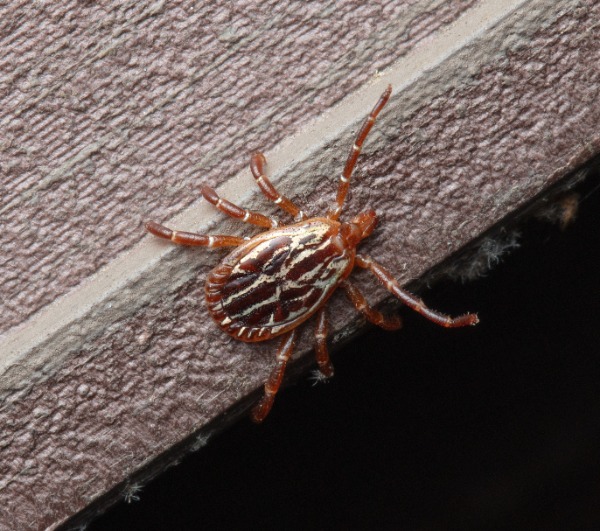
Ticks don't usually wander around open rooms looking for people. If one makes its way indoors, it may crawl toward a sheltered location where it can avoid dry conditions and remain undisturbed.
Check areas where pets sleep or spend time, especially if they have recently been outdoors. Ticks may also hide along edges and in small spaces that are difficult to inspect.
Pay particular attention to:
Preventing ticks from entering is generally easier than dealing with an established indoor population. A few consistent habits can reduce the likelihood of carrying ticks into your living spaces.
Start by checking pets after outdoor activities. Pay close attention to areas around their ears, neck, legs, and between their toes. Use veterinarian-recommended tick prevention products to help protect them from bites. You can also reduce the chances of bringing ticks inside by:
Finding one tick inside may simply mean it was carried in from outdoors. Finding several, especially over a short period, suggests a more persistent problem.
This is particularly concerning when ticks appear repeatedly around a dog's bedding, kennel, or favorite resting spots. Brown dog ticks can hide in small spaces and reproduce indoors, making an established infestation difficult to eliminate with routine cleaning alone.
If indoor sightings continue, consider having the home and pet areas inspected by a pest control professional. Identifying the tick species and locating where it is hiding are important steps toward choosing an effective treatment.
Q: Can Ticks Live in Carpets?
A: Ticks can crawl into carpet fibers and hide along carpet edges, but most species do not thrive there long-term. Brown dog ticks are more likely than other common species to establish an indoor population.
Q: Can Ticks Reproduce Inside a House?
A: Yes, certain species can reproduce indoors. Brown dog ticks are particularly capable of infesting homes and kennels when suitable hiding places and animal hosts are available.
Q: Will Ticks Die in a Dry House?
A: Dry indoor air can cause ticks to lose moisture and eventually die. However, a tick in a sheltered or humid area may survive longer than one exposed in an open room.
Q: Can Ticks Live on Furniture or Bedding?
A: Ticks can hide in furniture seams, blankets, and pet bedding. These locations may provide shelter, particularly when they are near an animal that can serve as a host.
Q: Should I Be Worried If I Find One Tick in My House?
A: One tick does not necessarily mean you have an infestation. Check people and pets for additional ticks, clean the area, and monitor for repeated sightings.
Q: What Should I Do If I Keep Finding Ticks Indoors?
A: Repeated sightings may indicate an indoor population, especially if you have pets. Inspect pet resting areas and contact a pest control professional to help identify the species and locate the source.

Touch up your lawn with Heartland Turf & Landscape