Last Updated:
April 25, 2026
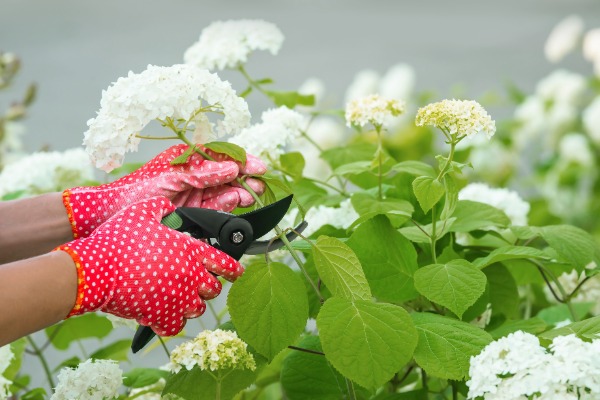
Flowering shrubs have a way of stealing the show in any landscape when they’re cared for properly. But trimming them isn’t just about keeping things tidy. The way you cut flowering shrubs plays a huge role in how many blooms you’ll see, how full the plant grows, and how long it stays healthy. A poorly timed trim can wipe out an entire season of flowers, while a thoughtful approach can double the impact of your yard.
If you’ve ever looked at a shrub and wondered if you’re trimming it correctly, you’re not alone. Keep reading to learn how you should be trimming your flowering plants.
Before making a single cut, you need to know one thing: when your shrub forms its flower buds. Some flowering shrubs bloom on old wood, meaning the buds were formed last season. Others bloom on new wood, meaning they grow and flower in the same season. If it blooms early in the season, trim it after flowering. If it blooms later, trim it before new growth starts.
Here’s why that matters:
One of the biggest mistakes people make is cutting too much at once. Flowering shrubs respond best to gradual shaping, not aggressive reductions. A good rule to follow is not to remove more than one-third of the shrub at a time. This keeps the plant from going into shock and allows it to bounce back with healthy growth. Instead of hacking everything down evenly, focus on selective cuts that improve the plant’s structure.
Start by stepping back and looking at the shrub as a whole. Ask yourself:
Good trimming and pruning is about where you cut. Every cut sends a signal to the plant about how to grow next. Random snips lead to random growth, but precise cuts create fuller, more balanced shrubs. Making a few small adjustments leads to healthier plants and noticeably better flowering as the plant matures.
Here are a few techniques that make a noticeable difference:
Many people rely on hedge trimmers to shape flowering shrubs into tight, uniform forms. While that might look neat at first, it often leads to dense outer growth and weak, unproductive interiors. For flowering shrubs, thinning is far more important than shaping. You’ll end up with a more natural-looking plant that flowers more evenly instead of just on the surface.
Thinning means removing select branches completely to:
If you’ve got a shrub that’s gotten out of control, don’t worry. You don’t have to replace it. Many flowering shrubs respond well to rejuvenation pruning, which is a more aggressive reset done over time. The proper pruning method restores shape and encourages new growth without sacrificing all your blooms in one season.
Instead of cutting everything back at once, try this approach:
You don’t need a full shed of equipment, but using the right tool for the job makes trimming smoother and better for the plant. Sharp blades are key. Clean cuts heal faster and reduce the risk of disease.
Even well-meaning trimming can backfire if you’re not careful. A few missteps can mean fewer flowers or none at all. Avoiding common mistakes alone can dramatically improve how your shrubs perform year after year.
Watch out for the following:
The best-looking flowering shrubs come from routine and proper trimming. Each cut should have a purpose, whether it’s improving shape, increasing airflow, or encouraging more blooms. Once you get the hang of it, you’ll start to see your shrubs respond in real time and become a standout feature in your landscape instead of just background greenery.
If you are looking for better shrub care in the Kansas City area, reach out to Heartland today to find out what our landscaping services can do for you!
Q: When is the best time to trim flowering shrubs?
A: It depends on when your shrub blooms. If it flowers in early spring, it likely blooms on old wood and should be trimmed right after the flowers fade. If it blooms later in the season, it’s usually safe to trim in late winter or early spring before new growth begins. Getting the timing right is one of the biggest factors in preserving blooms.
Q: How often should I trim my flowering shrubs?
A: Most flowering shrubs only need a thorough trim once a year, with occasional light touch-ups if they become uneven or overgrown. Over-trimming can reduce flowering, so it’s better to focus on strategic cuts rather than frequent shaping.
Q: Why isn’t my shrub producing many flowers?
A: A lack of blooms is often tied to improper trimming. Cutting at the wrong time can remove developing buds before they have a chance to open. Other causes include too much shade, over-fertilizing (which encourages leafy growth instead of flowers), or simply an aging shrub that needs rejuvenation pruning.
Q: Can I shape flowering shrubs like hedges?
A: You can, but it’s not always the best approach. Tight, uniform shaping can reduce airflow and limit flowering to the outer edges. Flowering shrubs tend to perform better with a more natural shape created through selective thinning rather than constant shearing.
Q: What should I do with dead or damaged branches?
A: Dead, diseased, or broken branches should be removed as soon as you notice them, regardless of the time of year. Clearing out this material helps prevent disease spread and allows the plant to focus its energy on healthy growth and blooming.
Q: Do flowering shrubs need fertilizer to bloom well?
A: In many cases, flowering shrubs don’t need much fertilizer if they’re planted in healthy soil. Too much fertilizer can lead to lots of leafy growth with fewer flowers. If needed, use a balanced or bloom-focused fertilizer sparingly and at the right time of year.

Touch up your lawn with Heartland Turf & Landscape